
Chemicals and Hazardous Substances
Storing chemicals and hazardous substances is subject to the most stringent standards — both in terms of materials and design. An error in material selection or tank equipment is not merely a technical failure; it carries real legal and environmental risk.
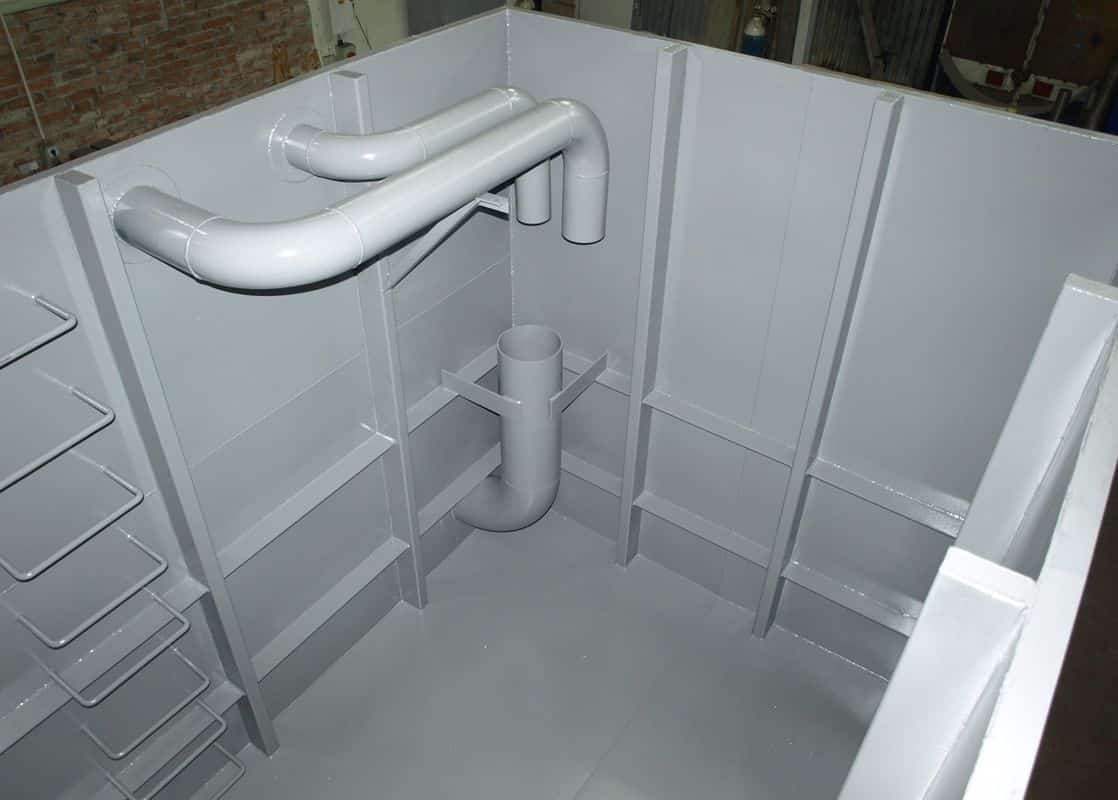
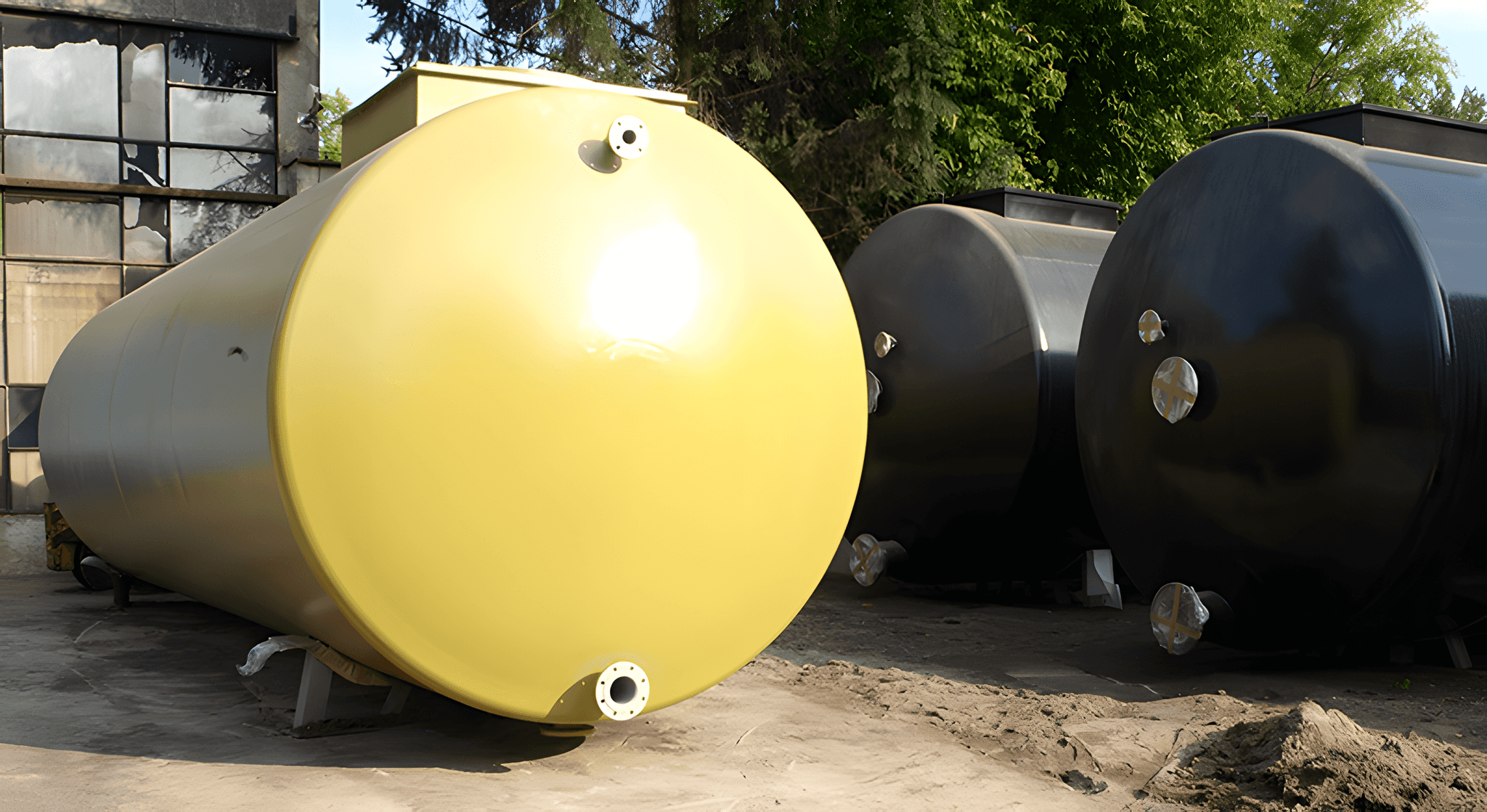
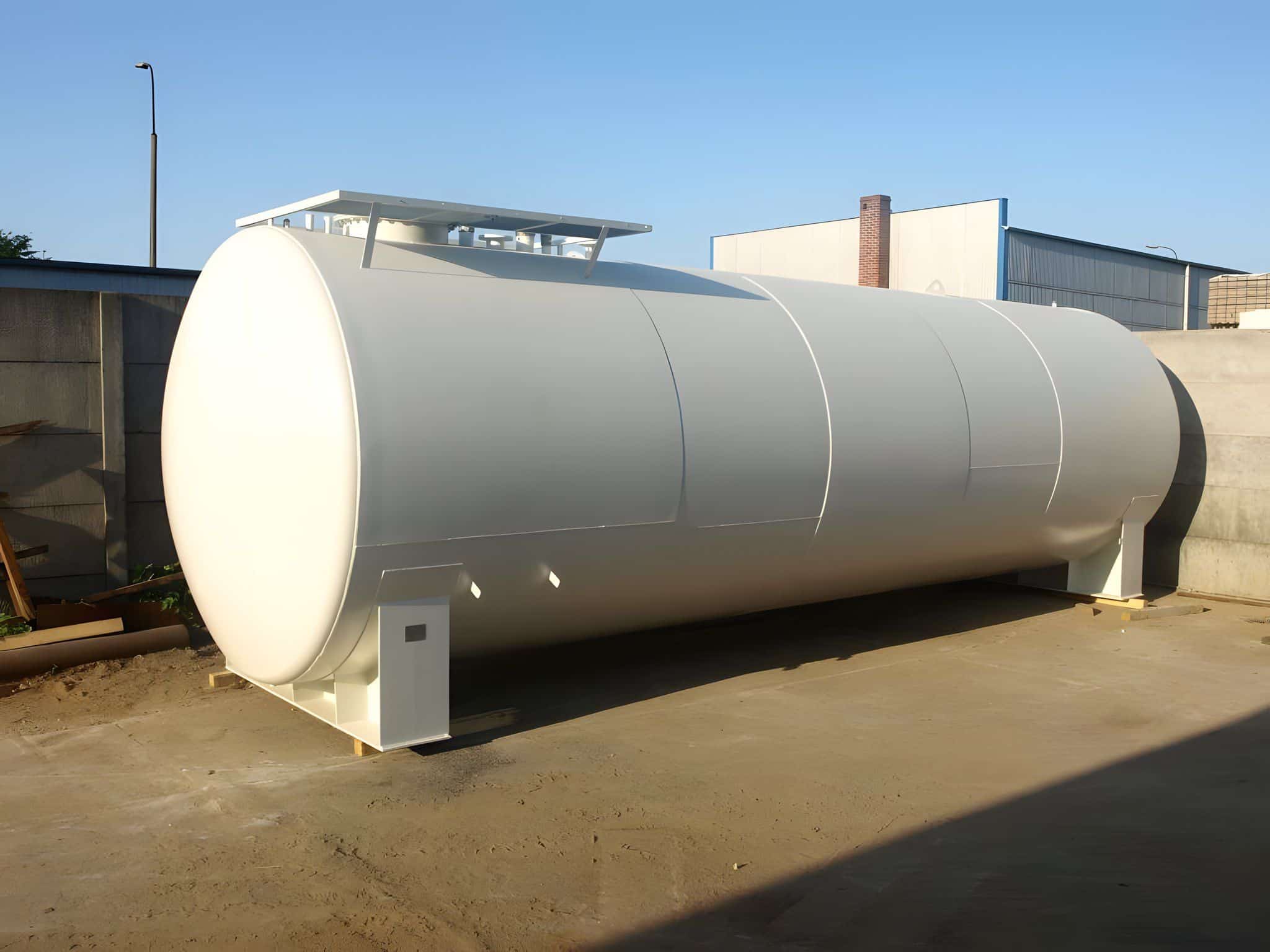
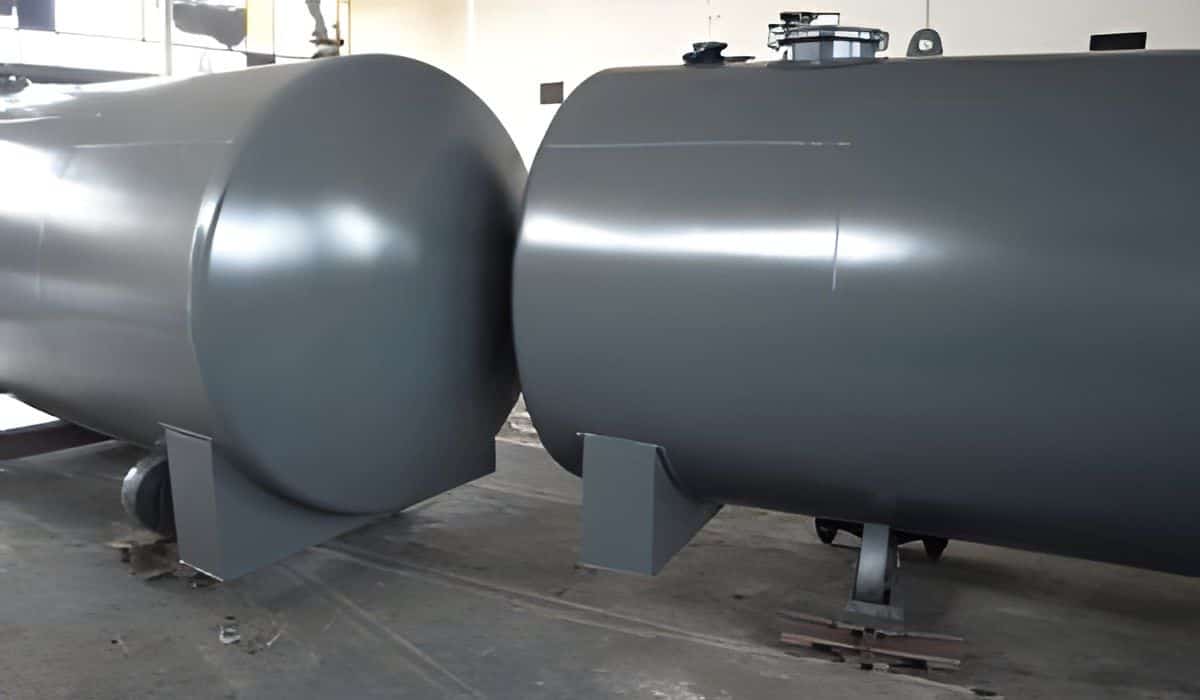
We manufacture tanks in acid-resistant steel AISI 316L and AISI 304 as well as double-walled tanks in carbon steel with dedicated chemical-resistant coatings. Every project begins with a material-compatibility analysis for the stored substance — covering the selection of wall material, seals, and fittings.
Tank design is adapted to the hazard classification of the substance and the requirements of the Environmental Protection Inspectorate, the State Fire Service, and UDT. Where needed, we integrate leak-detection systems, temperature sensors, and alarm relays.
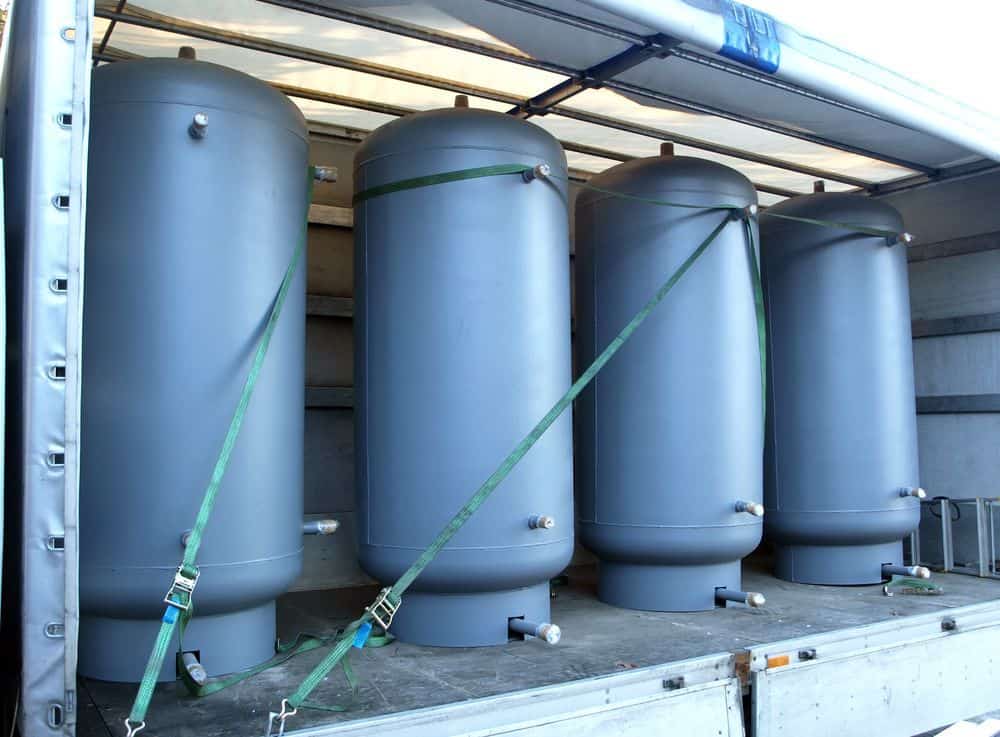
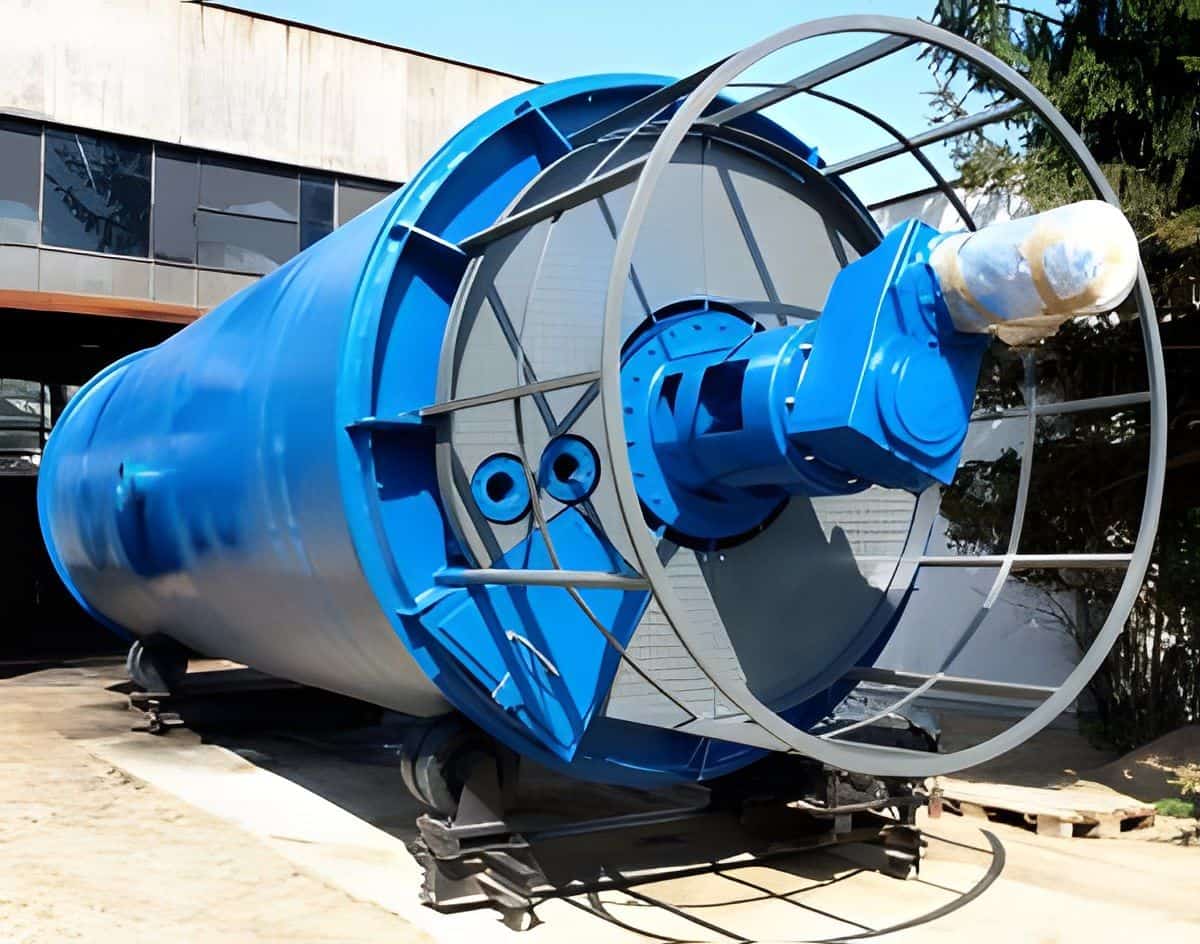
We supply both storage (static) tanks and process tanks with agitators, heating coils, and cooling jackets. We work with clients in the chemical, pharmaceutical, electroplating, wastewater treatment, and industrial processing sectors.
Why our tanks?
Acid-resistant AISI 316L
We use materials with high chemical resistance, selected for the specific substance — not from a generic template.
UDT compliance
Design, equipment, and documentation prepared to meet the requirements for chemical storage and handling.
Leak detection
Optional interstitial integrity monitoring system and sensors for double-walled tanks.
Process versions
Agitators, heating coils, cooling jackets — full integration with the client's process technology.
Recommended products
Pick the tank type that fits your application.
Not sure which tank to pick?
Describe your application — we'll help select the optimal solution and prepare an individual quote.
Worth reading
Storing Hazardous Substances — Requirements and Penalties
Storing hazardous substances requires compliance with rigorous standards and regulations. Learn about the requirements and the consequences of violations.
Read article →Steel tank corrosion — causes, symptoms, and what to do next?
Corrosion is the most common cause of steel tank failure. Learn to recognise the symptoms, understand the consequences of neglect, and know when it pays to repair — and when to replace — a tank.
Read article →UDT inspection of a tank — what are the consequences of missing an inspection?
Failing to carry out a UDT inspection on time can result in financial penalties and suspension of tank operation. Check the deadlines, requirements and consequences.
Read article →FAQ — Chemicals & Hazardous Substances
Certificates & permits
We hold a UDT permit and Pressure Equipment Directive 2014/68/EU (PED) conformity certificates.
View all certificates →Need a custom-made tank?
Get in touch for a free quote. We handle anything from one-off projects to full production runs.